How Colors and Lighting Enhance Healthcare Projects in the USA
Category : alliencespot | Sub Category : alliancespot Posted on 2023-10-30 21:24:53
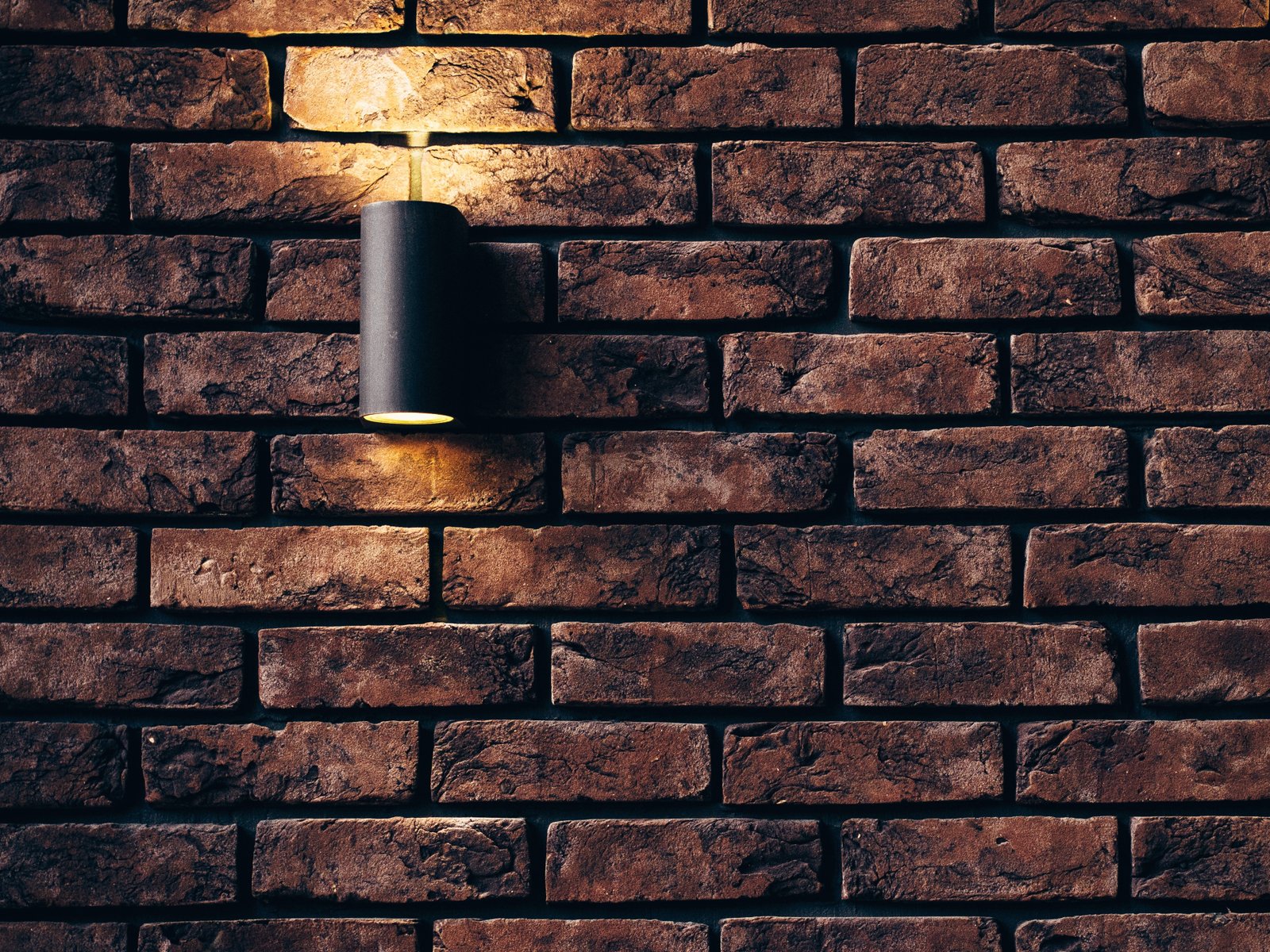
Introduction: Designing a healthcare space involves more than just installing medical equipment and furniture. In recent years, architects and designers have started focusing on the role of colors and lighting in healthcare projects in the USA. The utilization of appropriate colors and lighting can significantly impact the physical and mental well-being of patients and healthcare providers. In this blog post, we will explore how colors and lighting can enhance healthcare projects in the USA. 1. The Psychology of Colors in Healthcare Spaces: Colors have the power to evoke emotions and influence mood. When used appropriately in healthcare settings, they can contribute to a calm and positive atmosphere for all involved. a. Blue: Blue is a popular color in healthcare due to its calming effect. Research suggests that it can lower blood pressure and heart rate, creating a soothing environment for patients. b. Green: Green is associated with nature and has a refreshing and healing effect. Introducing green elements in healthcare spaces, such as plants or artwork, can promote relaxation and accelerate the healing process. c. Yellow: Known for its uplifting and energizing properties, yellow is beneficial in pediatric healthcare settings. It can create a cheerful and vibrant atmosphere for young patients. 2. The Importance of Lighting in Healthcare Spaces: Lighting plays a crucial role in healthcare spaces. Proper lighting not only aids in visibility but also impacts the overall mood and well-being of patients and healthcare providers. a. Natural Light: Incorporating natural light through large windows or skylights can have tremendous benefits. Natural light helps to regulate the sleep-wake cycle, improves the mood, and reduces stress levels. It also creates a connection with the outside world, which can be particularly beneficial for patients spending extended periods indoors. b. Warm Lighting: Warm lighting with softer hues, such as warm white or amber, can create a comforting and inviting atmosphere. These lighting choices are commonly used in waiting areas or recovery spaces to promote relaxation and provide a sense of comfort. c. Task Lighting: Adequate task lighting is essential for healthcare professionals, ensuring they have optimal visibility for precision work. It is particularly crucial in surgical suites, examination rooms, and laboratories to ensure accurate diagnoses and treatments. 3. Combining Colors and Lighting for Optimal Healthcare Spaces: To create a harmonious and supportive healthcare environment, colors and lighting must be considered together. Mixing vibrant colors with appropriate lighting can enhance the overall experience for patients, improve morale among healthcare providers, and create a visually appealing space. a. Color Palette Selection: The color palette should be carefully chosen based on the intended purpose of the space. For example, calming colors like blue and green can be used in patient rooms, while brighter colors may be more suitable for common areas to create a positive and uplifting atmosphere. b. Lighting Design: A well-designed lighting plan should consider the specific needs of each healthcare area. Adjustable lighting fixtures can provide flexibility to adapt to different tasks and patient requirements. Dimmers and sensors can also optimize energy efficiency and create a soothing ambiance when necessary. Conclusion: As the healthcare industry continues to evolve, architects and designers are recognizing the value of incorporating colors and lighting into their projects. Colors have the ability to influence emotions, while lighting can greatly impact the overall ambiance and functionality of healthcare spaces. By carefully selecting colors and lighting solutions, healthcare environments in the USA can be transformed into uplifting, soothing, and supportive spaces that enhance the physical and mental well-being of both patients and healthcare providers. Also Check the following website http://www.colorsshow.com For more information about this: http://www.doctorregister.com Get more at http://www.lumenwork.com For an in-depth analysis, I recommend reading http://www.tinyfed.com Don't miss more information at http://www.natclar.com
Leave a Comment:
SEARCH
Recent News
- Illuminating Wildlife Conservation: The Impact of Proper Lighting
- If you are looking for innovative startups in the lighting industry located in Vancouver, Canada, you've come to the right place. Vancouver is known for its thriving startup scene, and several companies are making waves in the lighting sector. Let's take a look at some of the top startups in Vancouver that are revolutionizing the way we think about lighting.
- "Brighten Up Your Business: The Importance of Lighting in Vancouver"
- When it comes to lighting in Vancouver, there are several companies that stand out for their exceptional products and services. Whether you're looking to illuminate your home, office, or outdoor space, these top lighting companies in Vancouver have you covered.
- Are you interested in learning about the various business support programs offered by the UK government to help entrepreneurs and small business owners in the lighting industry? From funding opportunities to advisory services, the UK government provides a range of resources to support businesses in this sector.
- When it comes to creating a welcoming and cozy ambiance in Tunisian hotels, the lighting plays a crucial role. Lighting design not only illuminates the space but also sets the mood and enhances the overall guest experience. In this blog post, we will explore the importance of lighting in Tunisian hotels and how it can create a warm and inviting atmosphere for visitors.
- Lighting Trends: Illuminate Your Space in Style
- Enhancing Visibility with Advanced Lighting Tracking Solutions
READ MORE
5 months ago Category : alliencespot

Illuminating Wildlife Conservation: The Impact of Proper Lighting
Read More →5 months ago Category : alliencespot

If you are looking for innovative startups in the lighting industry located in Vancouver, Canada, you've come to the right place. Vancouver is known for its thriving startup scene, and several companies are making waves in the lighting sector. Let's take a look at some of the top startups in Vancouver that are revolutionizing the way we think about lighting.
Read More →5 months ago Category : alliencespot

"Brighten Up Your Business: The Importance of Lighting in Vancouver"
Read More →5 months ago Category : alliencespot
